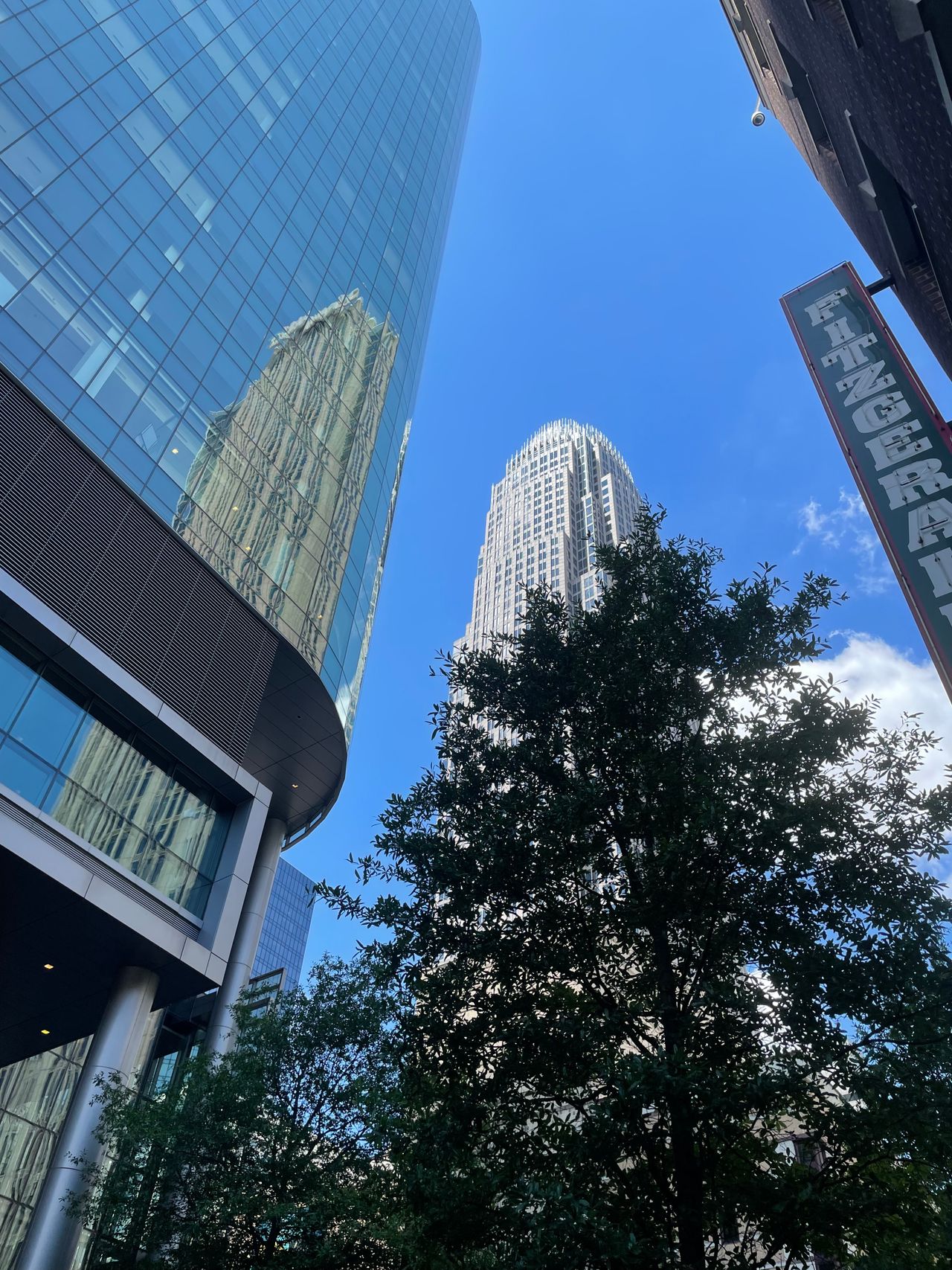
Charlotte core and south · NC
Charlotte commercial real estate
Commercial property decisions in Charlotte start with the corridor.
Commercial overview
Charlotte at a glance.
Charlotte is not one commercial market. Uptown, South End, the airport and west-side industrial districts, University City, SouthPark, and the outer growth corridors answer different operating and investment questions. A useful search starts with the business model or investment thesis, then works back to access, zoning, building format, capital needs, and exit options.
Area definition: City of Charlotte and immediately connected commercial corridors; parcel analysis may extend into unincorporated Mecklenburg County.
Access and demand
Key Charlotte corridors.
I-77 and I-85 regional spine
A large regional employment base with distinct office, logistics, retail, and infill nodes.
I-485 outer loop
City policy organizes growth around centers, corridors, and place types rather than treating every parcel the same.
Uptown and South End
Airport, interstate, rail, and urban transit access can change the usable trade area and labor shed materially.
Charlotte Douglas airport and Wilkinson Boulevard
A large regional employment base with distinct office, logistics, retail, and infill nodes.
Local brief
What to verify in Charlotte.
Planning and site selection
Compare the intended use against Charlotte UDO rules, access and loading, utility capacity, surrounding place type, and the capital required to make the property competitive. Citywide averages are a poor substitute for a corridor-level comp set.
Workforce context
Central Piedmont Community College, UNC Charlotte, and the broader Mecklenburg workforce system are the most relevant education and talent references for commercial users.
Property types
Relevant formats in Charlotte.
01Office and mixed-use
02Industrial and logistics
03Retail
04Multifamily
05Infill and development land
Current opportunities
Public listings in Charlotte.
Commercial advisory