Office & professional users
Balance attendance, collaboration, privacy, clients, commute, transit, parking, technology, floor efficiency, flexibility, and workplace change.
Charlotte tenant representation & commercial site selection
Ola helps businesses decide whether to renew, relocate, expand, consolidate, lease, or buy, then turns the operating plan into a requirements brief, a focused search, a comparable cost analysis, and a controlled path to occupancy.
The decision before the transaction
Asking rent cannot show whether customers can reach the site, trucks can move, employees will commute, the use is allowed, utilities are adequate, or the build-out can finish on time.
A requirements brief connects real estate to the business before available space starts setting the agenda. It gives renewal, relocation, lease, and purchase options the same test: operating fit, total cost, timing, risk, and flexibility.
Research and service framework last reviewed August 14, 2026. Professional boundaries and sources are shown below.
Who this is for
Different uses can share a square-foot range and still need completely different property.
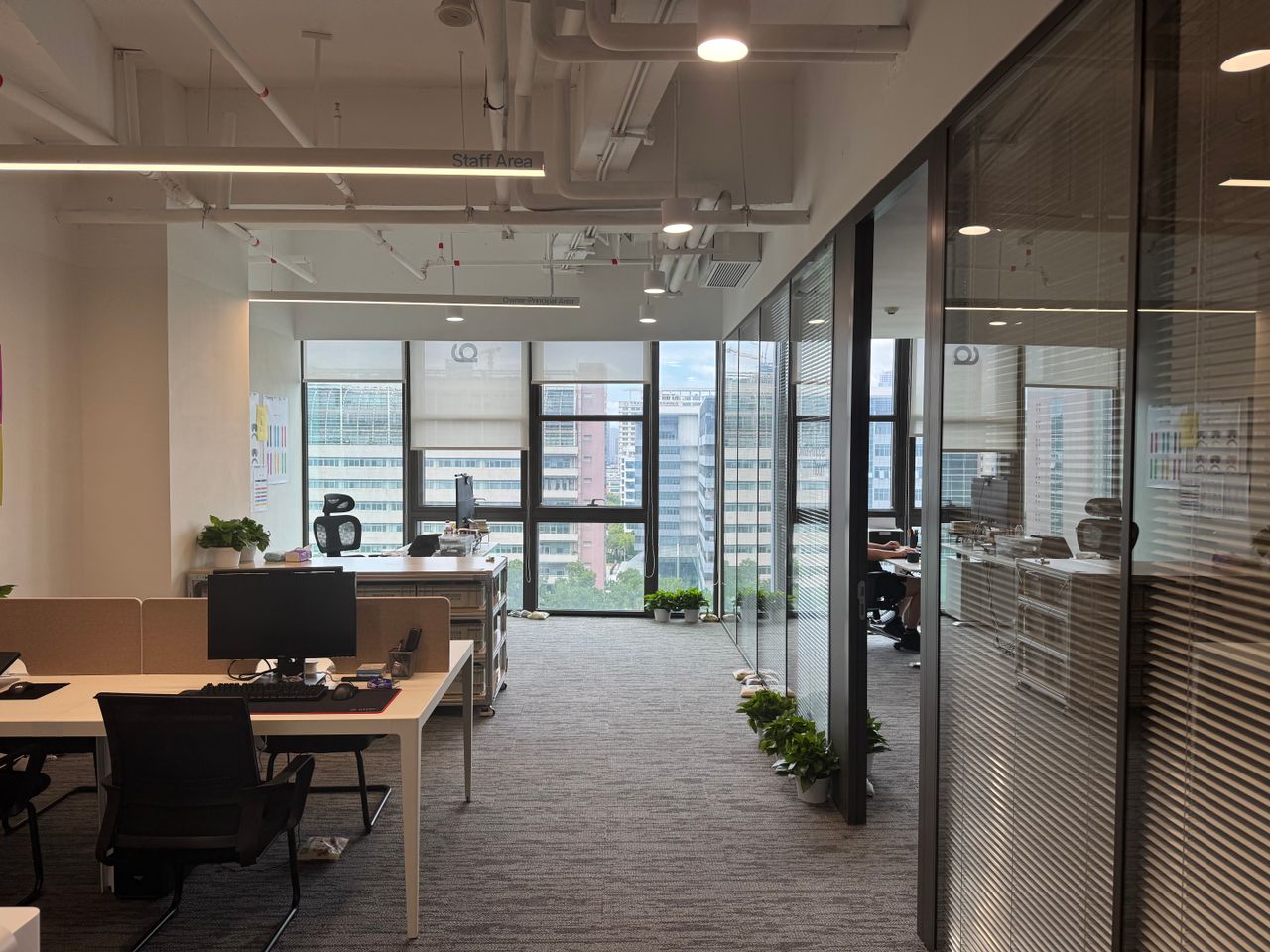
Balance attendance, collaboration, privacy, clients, commute, transit, parking, technology, floor efficiency, flexibility, and workplace change.
Test trade area, access, visibility, parking, co-tenancy, delivery, venting, signage, build-out, permitted use, and opening schedule.
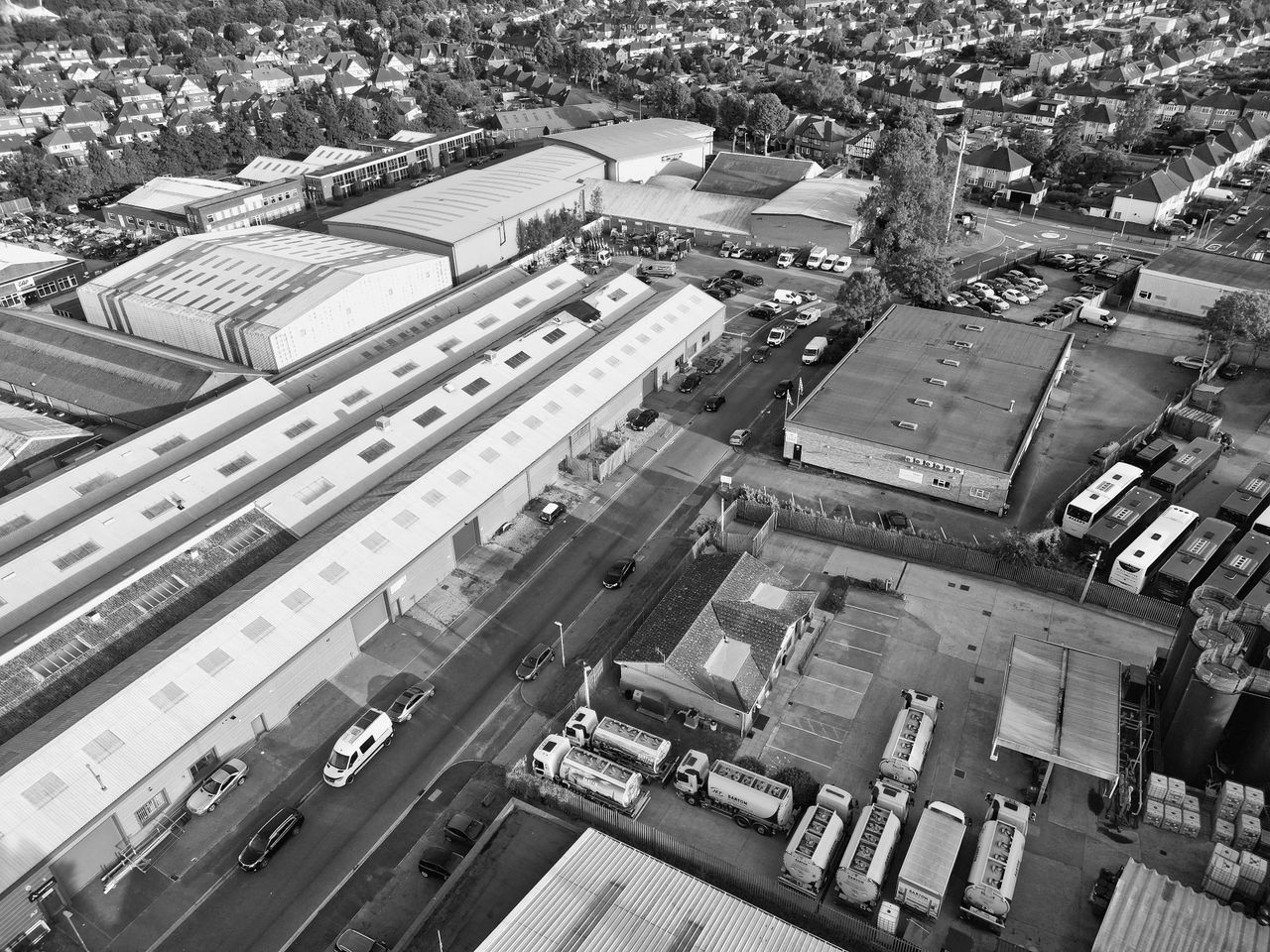
Define loading, clear height, power, yard, storage, office ratio, vehicle flow, labor access, highway orientation, environmental, and fire-protection needs.
Account for patient or visitor access, privacy, accessibility, plumbing, power, licensing, code, referral geography, funding, and special improvement requirements.
Decision map
Compare current performance, landlord plans, needed improvements, expansion or contraction, renewal economics, alternatives, leverage, and the cost of disruption.
Define the requirement, screen the market, compare full occupancy cost, negotiate delivery and flexibility, and protect enough time for design, permits, build-out, and move.
Decide whether adjacent space, a second location, sublease, contraction, or a new facility best supports people, customers, inventory, and operational continuity.
Balance control and potential equity with financing, down payment, improvements, maintenance, excess space, growth, future leasing, and resale depth.
Test land use, access, utilities, entitlement, design, cost, schedule, delivery risk, and whether the business can wait for a longer path.
Ola's advisory lens
A property advances only when it works for the operation, the people using it, the economics, and the transition.
Use, size, workflow, customers, loading, storage, systems, hours, equipment, accessibility, security, and future change.
Customer geography, employees, suppliers, deliveries, roads, transit, parking, signage, approach, traffic pattern, and nearby uses.
Layout, dimensions, structure, power, plumbing, HVAC, roof, loading, yard, fire protection, condition, furniture, and improvement scope.
Rent or price, expenses, utilities, parking, improvements, financing, furniture and equipment, moving, downtime, maintenance, and restoration.
Delivery, commencement, options, expansion, contraction, assignment, sublease, exclusives, use, guarantees, allowances, timing, and exit rights.
Zoning, permits, licenses, design, construction, inspections, utilities, vendor moves, technology, communications, opening, and contingency plans.
Professional boundaries
Ola can define the search, compare the properties and business terms, negotiate, and coordinate the path. The occupier’s specialists verify contracts, design, code, cost, systems, financing, and operating approvals.
Define the next locationLOI and lease or purchase documents, entity, guarantees, title, legal rights, obligations, and advice.
Test fit, design, code, utilities, scope, cost, permits, schedule, construction, and technical delivery.
Cash flow, tax, lease accounting, financing, capital budget, guarantees, and ownership structure.
Workflow, equipment, technology, security, move sequencing, business continuity, staffing, and opening readiness.
Advisory process
The sequence creates explicit decision points, so the client can advance, restructure, pause, or stop with a clear reason.
Document the use, people, property, location, budget, timing, growth, non-negotiables, and the current lease or facility constraints.
Review realistic alternatives, reject mismatches, gather missing information, and include renewal or purchase options where they deserve comparison.
Use a consistent scorecard, estimate improvements, model total cost, and surface approval, condition, access, or delivery risks.
Structure price or rent, expenses, improvements, delivery, timing, contingencies, options, flexibility, and risk around the operating objective.
Keep legal, design, permits, financing, construction, technology, vendors, and move planning connected to the target opening or occupancy date.
Asset-class fluency
Use the Asset Class pages to review the operating, leasing, acquisition, and diligence questions that matter for each property type.
View active listings ↗Occupier advisory decision tool
Capture use, size, workflow, customers, employees, access, parking, loading, utilities, equipment, budget, lease timing, improvements, growth, and the conditions the next location cannot compromise.
Request a copy and share the property decision you are working through. Ola can point you to the fields that matter first.
Request the decision toolRequested by form and delivered by follow-up. No placeholder download.

Work with Ola
You do not need a finished brief to start. An address, current lease, operating need, offer, or investment question is enough to define the next useful step.
Ola will help separate what is known, what is assumed, what needs specialist verification, and what the real estate process should solve.
Questions clients bring first
Start early enough to define the requirement, compare a renewal, tour, negotiate, complete legal and technical diligence, design, permit, build, and move without letting the current deadline control the choice.
Compensation varies by transaction and agreement. It may be offered through the listing side or paid directly by the client. Ola should explain the structure and agency relationship before work begins.
Compare how the current property performs, the landlord’s proposal, required improvements, operational disruption, complete cost, timing, flexibility, and credible alternatives before deciding.
Include operating expenses, taxes and insurance where applicable, utilities, parking, improvements, furniture, equipment, technology, moving, downtime, maintenance, escalation, and end-of-term obligations.
Yes. The analysis can compare control, financing, down payment, improvements, excess space, maintenance, growth, tax and accounting questions, alternative uses, and future resale or leasing.
Treat use approval as an early diligence item. The municipality and qualified legal, design, or permitting professionals should confirm zoning, occupancy, code, signage, parking, and use-specific requirements.
Research notes
Service framework and source links last reviewed August 14, 2026. Ola provides commercial real estate brokerage and advisory; legal, tax, accounting, lending, appraisal, engineering, environmental, design, and construction work belongs with qualified specialists.
Occupier advisory
Send the address, lease, offering, deadline, or question. Ola will help organize the next step.
Define the next location