Occupiers & operators
Turn the operating plan into a clear office requirement, compare realistic alternatives, model the full cost, and negotiate around the constraints that affect daily use.
Explore tenant representation ↗
Charlotte office commercial real estate
The right office supports how people work, meet clients, recruit, commute, and change. Ola helps occupiers, owners, and investors connect space decisions to operating needs, talent, financial exposure, and the next stage of the business.
Market context
CBRE reported positive absorption for a third consecutive quarter in Q2 2026, nearly 1.4 million square feet of leasing, and a market-wide vacancy rate of 23.0%. Prime available vacancy was below 4%.
The contrast matters. A broad vacancy figure can suggest abundant choice while the most suitable buildings, locations, floorplates, and delivery conditions remain limited. Tenants should compare real occupancy cost and workplace fit. Owners should understand which improvements and terms produce a credible advantage.
Market and planning snapshot last checked August 14, 2026. Figures are dated and linked in the research notes below.
Four sides of the decision
The work starts by defining whose result matters, then testing the property against that result.
Turn the operating plan into a clear office requirement, compare realistic alternatives, model the full cost, and negotiate around the constraints that affect daily use.
Explore tenant representation ↗Define the likely buyer or tenant, prepare the property, frame the opportunity honestly, compare proposals, and protect the value of the office asset through execution.
Explore owner representation ↗Test income, rollover, operating costs, capital work, financing, downside cases, and the assumptions that must hold for the office acquisition to perform.
Explore acquisition advisory ↗Check land-use fit, access, utilities, delivery timing, construction exposure, market depth, and the entitlement path before treating a concept as a project.
Explore commercial land ↗Property formats
Transit, client access, building services, parking, security, floorplate, signage, and the gap between prime and commodity space shape the decision.
Amenity access can aid recruitment, while parking, noise, density, delivery, expansion options, and premium rents require a clear business case.
Commute patterns, parking, visibility, interstate access, amenities, landlord capital, and flexibility often matter more than a prestigious address.
Patient flow, accessibility, plumbing, privacy, parking duration, referral geography, code requirements, and specialist build-out must be tested early.
Identity and control can be valuable, but maintenance, financing, fit-out, resale depth, and the cost of excess space need honest underwriting.
Ola's evaluation lens
The useful question is not how much space is available. It is which option best supports the people, work, balance sheet, and change ahead.
Headcount, attendance patterns, collaboration, privacy, client use, special rooms, growth, contraction, and hybrid policy.
Employee home geography, transit, parking, commute reliability, accessibility, amenities, and client approach.
Floorplate, columns, natural light, core location, usable ratio, furniture plan, meeting capacity, and expansion rights.
Base rent, operating expenses, parking, utilities, furniture, improvements, free rent, escalation, and restoration obligations.
Ownership, capital plan, services, security, HVAC hours, connectivity, operating history, amenities, and lease flexibility.
Sublease, assignment, contraction, expansion, renewal, purchase options, relocation cost, and alternative uses for owner-user space.
Charlotte decision map
Charlotte office users can choose between urban, transit-served, airport-oriented, and suburban nodes. Each changes the talent catchment, occupancy cost, parking model, client experience, and future flexibility.
Explore Charlotte marketsThe region’s primary business district offers transit and client concentration; compare tower quality, parking, floor efficiency, amenities, and the prime-space premium.
Recruiting and amenity benefits sit beside tighter parking, higher costs, active construction, and different building formats.
A mature executive and professional-services node with retail amenities; test commute reach, parking, building reinvestment, and tenant profile.
Large floorplates, parking, interstate access, and campus options can suit regional workforces; compare commute direction and evolving mixed-use supply.
Light rail, campus and research connections, and I-85 access create a distinct labor and client geography. Building quality varies widely.
Useful for regional access, field teams, and cost-sensitive users; evaluate image, amenities, traffic, transit, and future resale or sublease depth.
Planning references are linked in the research notes below. Local plans help frame change, but parcel facts and approvals require current verification.
Advisory process
The scope changes for a lease, sale, acquisition, or development site. The sequence stays disciplined.
Set the business objective, property criteria, geography, capital, timing, and the issue that cannot be compromised.
Compare practical alternatives and remove properties that fail the operating, investment, or development brief.
Build a complete cost picture, challenge the assumptions, and show what changes under a slower, more expensive, or less certain outcome.
Frame the offer, manage information, track open issues, and bring legal, financial, design, environmental, and technical specialists in where needed.
Keep the original objective visible through documents, contingencies, approvals, financing, closing, delivery, and occupancy.
Current represented opportunities
Availability, terms, measurements, permitted use, financial details, and property facts require direct confirmation.
View all listings ↗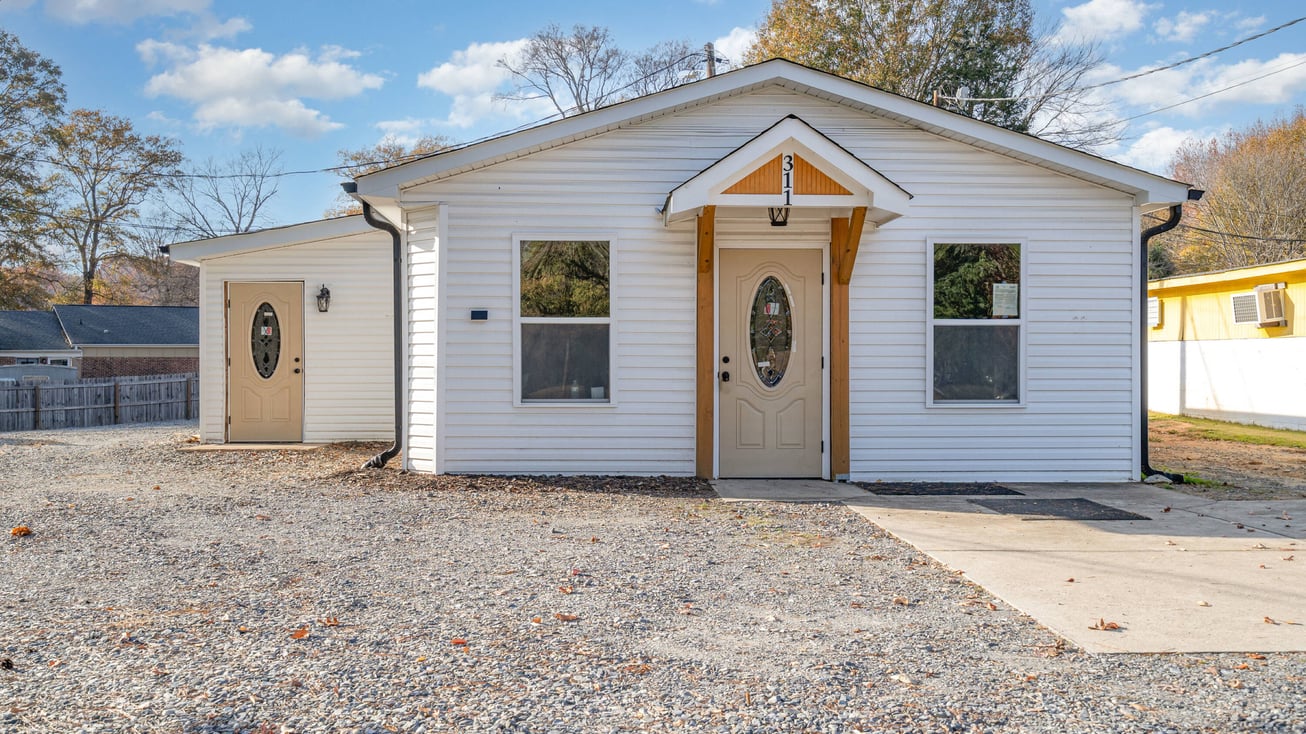 For Sale
Medical Office / Retail
A 1,168-square-foot building with extensive med-spa and nail-salon infrastructure, plus an alternative medical-office redevelopment strategy.
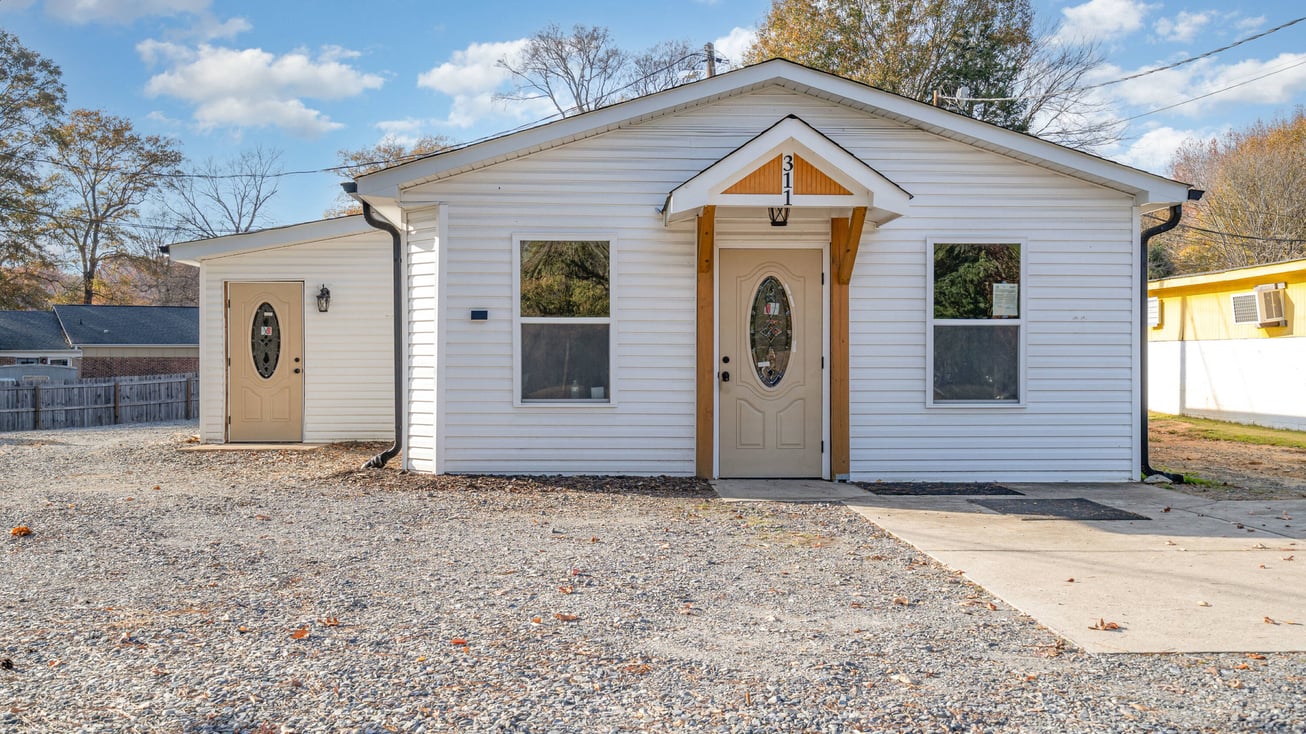 For Lease
Medical Office / Retail
A 1,168-square-foot single-tenant space with professionally completed medical-spa and nail-salon infrastructure on a high-visibility Belmont corridor.
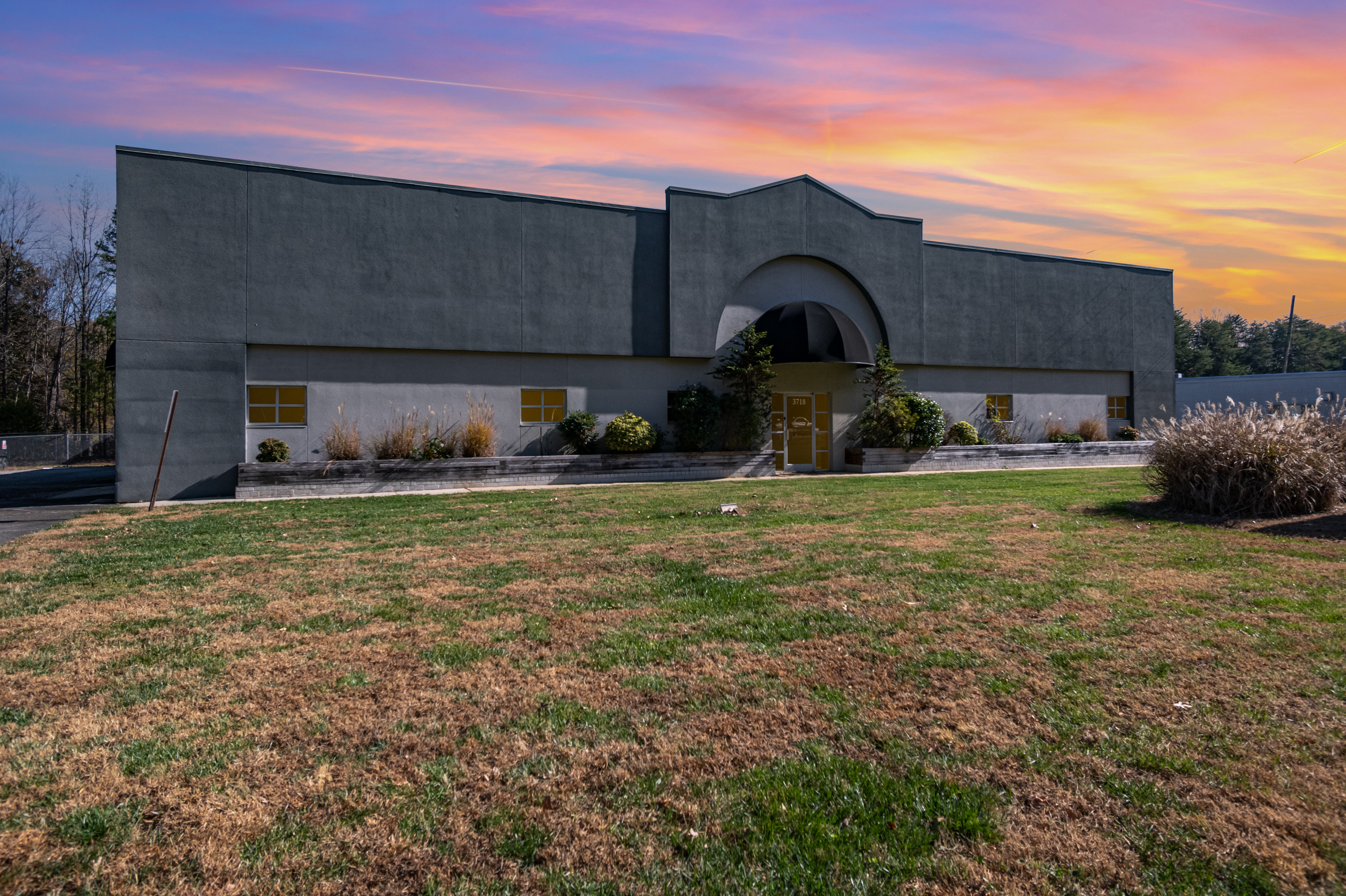 For Lease
Industrial / Office / Retail
An 11,857-square-foot single-tenant flex property with substantial conditioned area, bonus mezzanine, two loading docks, and fenced outdoor storage.
Office decision tool
Compare headcount, attendance, floor efficiency, parking, improvements, rent, operating expenses, flexibility, and move costs on one decision sheet.
Request a copy and tell Ola what you are evaluating. She can point you to the questions that matter first.
Request the decision toolRequested by form and delivered by follow-up. No placeholder download.

Work with Ola
A commercial property decision usually starts with incomplete information, a deadline, or numbers that do not quite reconcile.
Share the address, use, timing, and what concerns you. Ola will help define the next questions, identify the missing information, and decide whether the property deserves more work.
Questions clients bring first
Start with people, attendance, work settings, meeting demand, special rooms, circulation, growth, and the efficiency of the actual floorplate—not a generic square-feet-per-person rule.
Compare the full occupancy schedule: rent, operating expenses, parking, utilities, improvements, furniture, free rent, escalation, moving, connectivity, and restoration.
Test financing, space efficiency, excess-space leasing, maintenance, capital work, tax and insurance, zoning, parking, future expansion, and resale depth.
It can create options, but suitable buildings and prime space may still be tight. Quality, location, delivery condition, and landlord strength matter as much as headline vacancy.
Begin early enough to define the workplace plan, tour, negotiate, design, permit, build, and move without letting the current lease deadline control the decision.
Yes. A renewal should be compared against realistic alternatives, current market economics, space changes, capital needs, and the cost and leverage of relocating.
Research notes
Market information last reviewed August 14, 2026. Figures are dated snapshots and may change. Property decisions require current verification.
Office advisory
Send Ola the address, target area, use, or investment question. Start with what is known and what still feels uncertain.
Discuss an office requirement