Occupiers & operators
Turn the operating plan into a clear mixed-use requirement, compare realistic alternatives, model the full cost, and negotiate around the constraints that affect daily use.
Explore tenant representation ↗
Charlotte mixed-use commercial real estate
Retail, office, housing, hospitality, and public space do not create value simply by sharing an address. Ola helps owners, investors, occupiers, and developers test how uses support one another, where they conflict, and what the site can carry.
Market context
Charlotte’s 2040 framework identifies Innovation Mixed Use, Neighborhood Activity Centers, Community Activity Centers, and Regional Activity Centers as distinct place types. In April 2026, the city adopted or amended 14 Community Area Plans and a revised policy map.
That direction can support walkable, connected development, but it does not solve the project. Mixed-use feasibility depends on present zoning, land basis, use mix, parking, access, phasing, construction type, operating separation, tenant and resident demand, and the timing of public infrastructure.
Market and planning snapshot last checked August 14, 2026. Figures are dated and linked in the research notes below.
Four sides of the decision
The work starts by defining whose result matters, then testing the property against that result.
Turn the operating plan into a clear mixed-use requirement, compare realistic alternatives, model the full cost, and negotiate around the constraints that affect daily use.
Explore tenant representation ↗Define the likely buyer or tenant, prepare the property, frame the opportunity honestly, compare proposals, and protect the value of the mixed-use asset through execution.
Explore owner representation ↗Test income, rollover, operating costs, capital work, financing, downside cases, and the assumptions that must hold for the mixed-use acquisition to perform.
Explore acquisition advisory ↗Check land-use fit, access, utilities, delivery timing, construction exposure, market depth, and the entitlement path before treating a concept as a project.
Explore commercial land ↗Property formats
Stacked retail, office, residential, or hospitality uses require careful structure, loading, life safety, acoustics, utilities, parking, and ownership planning.
Public realm, tenant mix, events, parking, phasing, anchors, residential absorption, and long-term management determine whether the place stays useful.
Smaller scale can fit established areas, but parcel assembly, delivery, trash, noise, signage, parking, and neighbor transitions matter.
Existing character can be an asset; unknown conditions, code upgrades, historic constraints, structural limits, environmental history, and phasing carry risk.
Transit access can support density and lower parking demand, while station timing, pedestrian connections, affordability, infrastructure, and market depth still need proof.
Ola's evaluation lens
The uses need a reason to coexist. A strong concept shows where demand overlaps, how conflicts are managed, and how the capital and delivery sequence hold together.
Residential absorption, office users, retail trade area, hospitality demand, public-space use, and realistic rents by component.
Daypart activity, shared customers, loading, noise, odor, security, privacy, wayfinding, vertical circulation, and residential compatibility.
Street network, frontage, transit, parking, service access, pedestrians, bicycles, public realm, utilities, topography, and stormwater.
Policy map, zoning, density, height, frontage, open space, affordable-housing expectations, overlays, approvals, and community process.
Which use opens first, temporary conditions, shared systems, associations, cost allocation, maintenance, events, and long-term place management.
Land basis, construction type, structured parking, infrastructure, lease-up, financing, cross-subsidy, hold period, and exit by component or whole.
Charlotte decision map
Walkability, transit, streets, employment, housing, and daily needs shape whether a project adds a useful center or an isolated collection of uses.
Explore Charlotte marketsHigh density, transit, employment, entertainment, and hospitality support vertical programs; basis, parking, phasing, and complex construction raise the bar.
Transit and strong demand support mixed use, while competition, land cost, active pipeline, construction logistics, and affordability require discipline.
Established offices and retail are evolving toward more complete districts; pedestrian connections, phased redevelopment, parking, and residential integration matter.
Light rail, education, healthcare, offices, retail, and housing offer a broad demand base; station connectivity and district-level execution vary by site.
Redevelopment can reconnect neighborhoods and commercial corridors. Infrastructure, displacement, local business continuity, and community priorities need attention.
Growth can support new centers, but density, utility timing, road capacity, anchors, phasing, and everyday walkability must be earned.
Planning references are linked in the research notes below. Local plans help frame change, but parcel facts and approvals require current verification.
Advisory process
The scope changes for a lease, sale, acquisition, or development site. The sequence stays disciplined.
Set the business objective, property criteria, geography, capital, timing, and the issue that cannot be compromised.
Compare practical alternatives and remove properties that fail the operating, investment, or development brief.
Build a complete cost picture, challenge the assumptions, and show what changes under a slower, more expensive, or less certain outcome.
Frame the offer, manage information, track open issues, and bring legal, financial, design, environmental, and technical specialists in where needed.
Keep the original objective visible through documents, contingencies, approvals, financing, closing, delivery, and occupancy.
Current represented opportunities
Availability, terms, measurements, permitted use, financial details, and property facts require direct confirmation.
View all listings ↗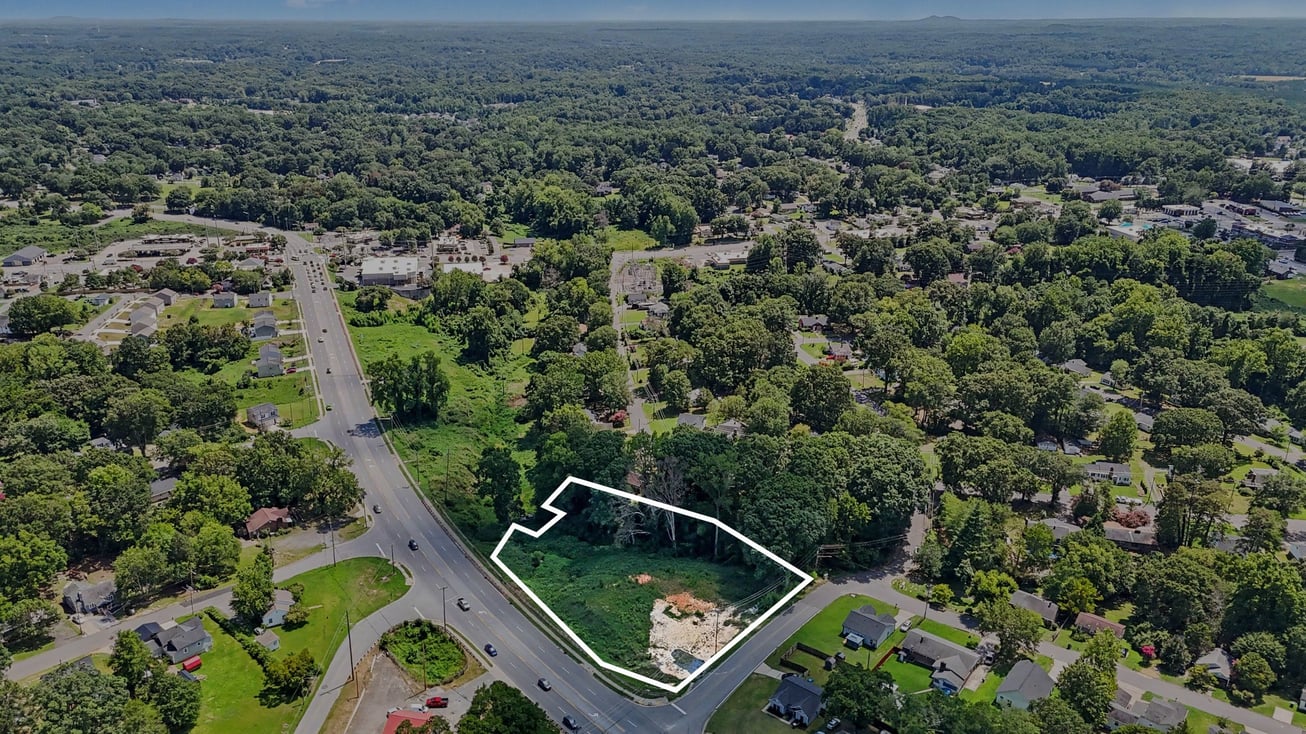 For Sale
Mixed Use / Land / Multifamily
A 1.24-acre C-3 corner site with public utilities, a new topographic survey, a building pad, and concept work for several commercial or residential paths.
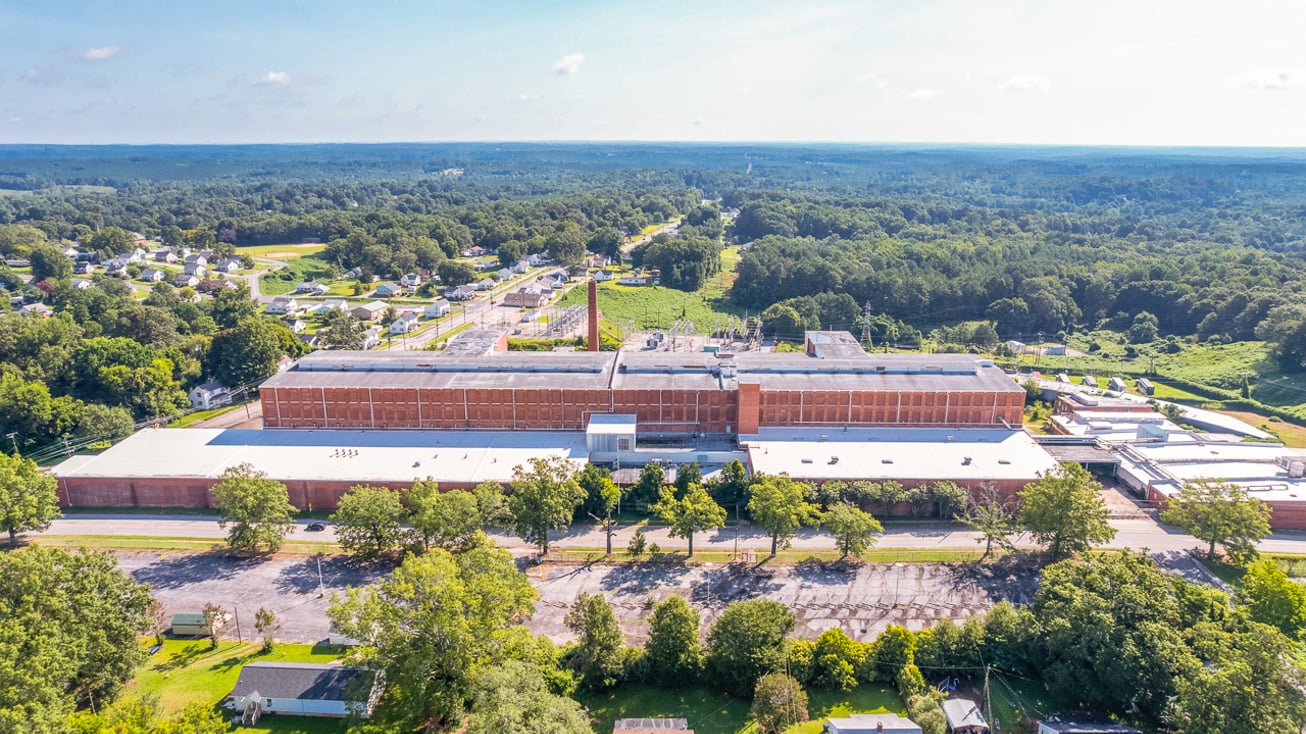 For Sale
Industrial / Mixed Use
A historic 700,000-square-foot mill campus on 17 acres, positioned between Charlotte, Greenville, and Columbia with seller financing and multiple paths to value creation.
Mixed-Use decision tool
Test demand by use, site access, zoning, parking, shared systems, phasing, public realm, operating conflicts, capital, and exit before advancing the concept.
Request a copy and tell Ola what you are evaluating. She can point you to the questions that matter first.
Request the decision toolRequested by form and delivered by follow-up. No placeholder download.

Work with Ola
A commercial property decision usually starts with incomplete information, a deadline, or numbers that do not quite reconcile.
Share the address, use, timing, and what concerns you. Ola will help define the next questions, identify the missing information, and decide whether the property deserves more work.
Questions clients bring first
The uses need compatible demand, practical access and service, a coherent public realm, manageable conflicts, sound phasing, clear operations, and economics that do not depend on every assumption being perfect.
Study demand, site context, policy, access, parcel scale, construction type, parking, absorption, operating relationships, financing, and which component can anchor the first phase.
No. Transit can support access and lower parking demand, but pedestrian connections, service quality, market depth, infrastructure, entitlement, design, and financing still control feasibility.
Review shared systems, cost allocation, loading, noise, security, ownership structure, reciprocal easements, association documents, parking rights, phasing, and use-specific code requirements.
Potentially. Land area, zoning, leases, parking fields, access, utilities, stormwater, tenant rights, construction phasing, and market demand determine whether redevelopment is workable.
Yes. Early work can define demand questions, use relationships, market alternatives, site constraints, diligence priorities, and the assumptions the design team should test.
Research notes
Market information last reviewed August 14, 2026. Figures are dated snapshots and may change. Property decisions require current verification.
Mixed-Use advisory
Send Ola the address, target area, use, or investment question. Start with what is known and what still feels uncertain.
Evaluate a mixed-use opportunity