Occupiers & operators
Turn the operating plan into a clear retail requirement, compare realistic alternatives, model the full cost, and negotiate around the constraints that affect daily use.
Explore tenant representation ↗
Charlotte retail commercial real estate
A busy road and a polished space do not guarantee a workable location. Ola helps tenants, owners, investors, and developers test customer fit, property constraints, lease economics, and transaction risk before they commit.
Market context
Colliers reported 2.88% retail vacancy across the Charlotte market in the first quarter of 2026, with smaller spaces especially constrained. That makes speed useful, but not at the expense of fit.
Charlotte's 2025 city population estimate reached 964,784, according to the U.S. Census Bureau. Growth can support retail demand, yet it does not make every corridor, center, or lease equally sound. The right question is whether the trade area, access, co-tenancy, physical space, and occupancy cost support the way the business or investment actually works.
Market and planning snapshot last checked August 14, 2026. Figures are dated and linked in the research notes below.
Four sides of the decision
The work starts by defining whose result matters, then testing the property against that result.
Turn the operating plan into a clear retail requirement, compare realistic alternatives, model the full cost, and negotiate around the constraints that affect daily use.
Explore tenant representation ↗Define the likely buyer or tenant, prepare the property, frame the opportunity honestly, compare proposals, and protect the value of the retail asset through execution.
Explore owner representation ↗Test income, rollover, operating costs, capital work, financing, downside cases, and the assumptions that must hold for the retail acquisition to perform.
Explore acquisition advisory ↗Check land-use fit, access, utilities, delivery timing, construction exposure, market depth, and the entitlement path before treating a concept as a project.
Explore commercial land ↗Property formats
Daily-needs traffic can help, but ingress, tenant mix, delivery access, exclusives, and the strength of the anchor still need to fit the use.
Walkability and visibility matter alongside loading, parking, venting, noise limits, residential neighbors, and the gap between daytime and evening demand.
Access, stacking, curb cuts, signage, utilities, circulation, and entitlement risk can matter more than the building itself.
Regional draw, co-tenancy language, box depth, loading, roof and systems, subdivision options, and backfill cost shape the decision.
Parking duration, plumbing and power, accessibility, appointment patterns, permitted use, and improvement cost need to match the operator model.
Ola's evaluation lens
A site can pass one test and fail the next. Find the conflict early enough to negotiate, redesign, or walk away.
Who needs to reach the property, where they come from, when they visit, and what alternatives they already use.
Approach patterns, curb cuts, turns, signals, signage, parking, pedestrian routes, and delivery movement.
Frontage, depth, ceiling height, loading, power, plumbing, venting, patio potential, accessibility, and build-out condition.
Base rent or price, pass-throughs, escalation, tenant improvements, downtime, capital work, financing, and opening cost.
Term, options, guarantees, exclusives, co-tenancy, assignment, use restrictions, rent roll, and rollover exposure.
Zoning, permitted use, signage, environmental conditions, utilities, access approvals, survey, title, and approval timing.
Charlotte decision map
Charlotte's policy map and community plans distinguish activity centers, commercial areas, neighborhoods, and growth corridors. They help frame what may change around a property, but do not replace parcel-level diligence.
Explore Charlotte marketsTest pedestrian and daytime demand, delivery constraints, parking, visibility, mixed-use neighbors, and the cost of adapting constrained space.
Compare established centers with newer mixed-use nodes, I-485 access, customer drive patterns, competition, pipeline, and lease-rate differences.
Separate event and destination traffic from repeat neighborhood demand. Review I-85, light rail, campus patterns, large-format competition, and circulation.
Study logistics and employment traffic, airport-related demand, redevelopment plans, road projects, spending patterns, and convenience.
Account for commuter patterns, seasonal movement, town-specific planning, constrained interchange access, and cross-market competition.
Check jurisdiction-specific approvals, road capacity, fast-changing residential growth, utility timing, trade-area overlap, and new supply.
Planning references are linked in the research notes below. Local plans help frame change, but parcel facts and approvals require current verification.
Advisory process
The scope changes for a lease, sale, acquisition, or development site. The sequence stays disciplined.
Set the business objective, property criteria, geography, capital, timing, and the issue that cannot be compromised.
Compare practical alternatives and remove properties that fail the operating, investment, or development brief.
Build a complete cost picture, challenge the assumptions, and show what changes under a slower, more expensive, or less certain outcome.
Frame the offer, manage information, track open issues, and bring legal, financial, design, environmental, and technical specialists in where needed.
Keep the original objective visible through documents, contingencies, approvals, financing, closing, delivery, and occupancy.
Current represented opportunities
Availability, terms, measurements, permitted use, financial details, and property facts require direct confirmation.
View all listings ↗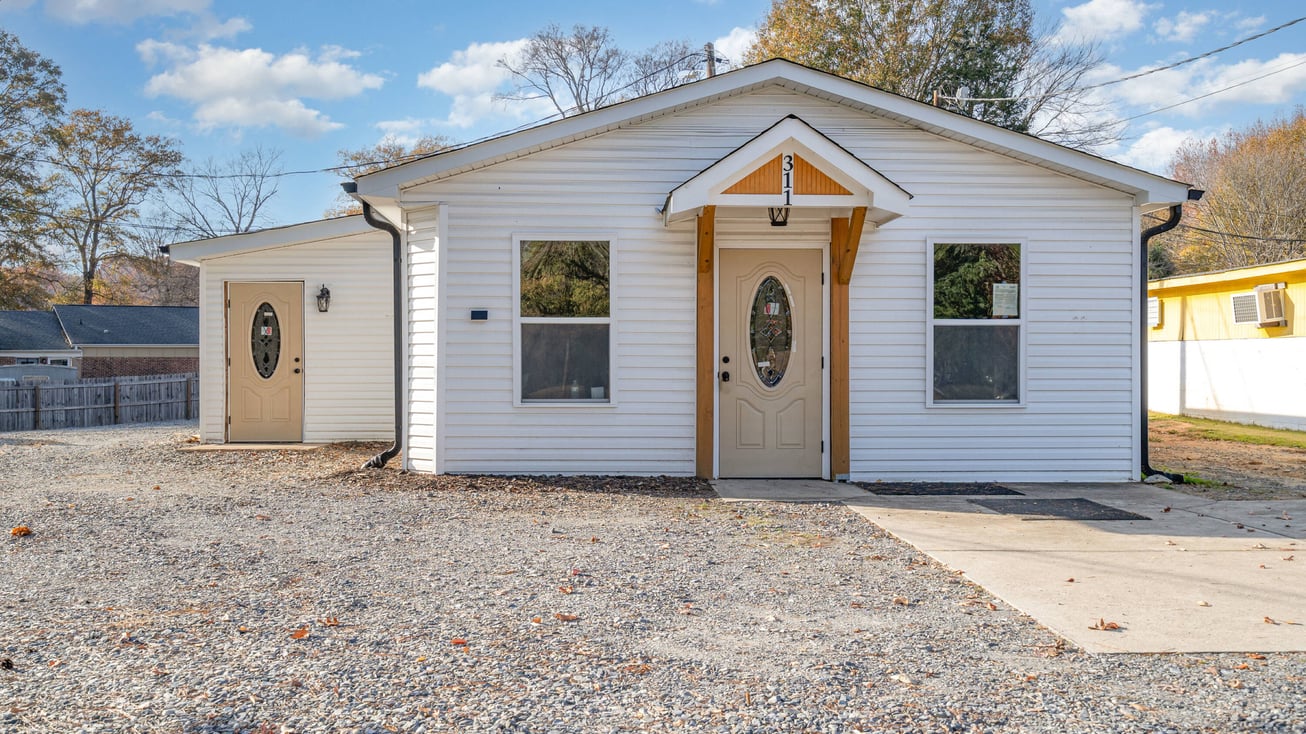 For Sale
Medical Office / Retail
A 1,168-square-foot building with extensive med-spa and nail-salon infrastructure, plus an alternative medical-office redevelopment strategy.
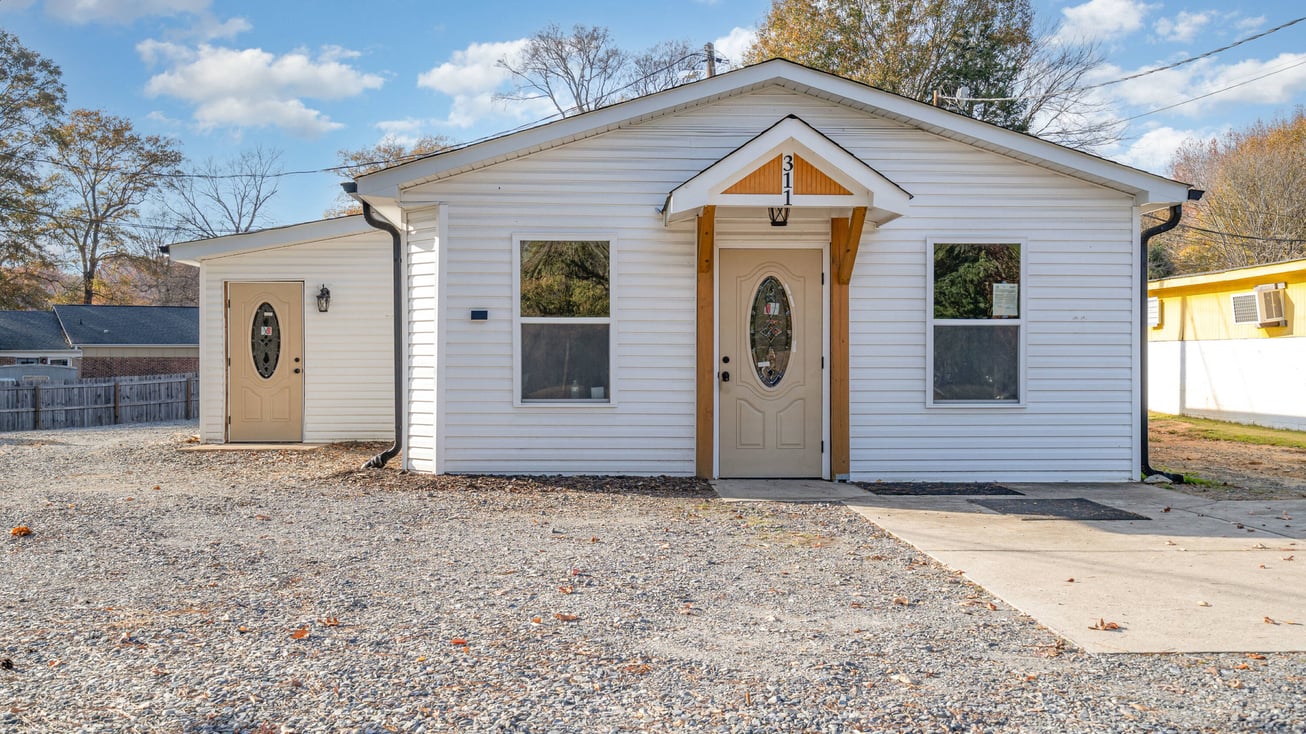 For Lease
Medical Office / Retail
A 1,168-square-foot single-tenant space with professionally completed medical-spa and nail-salon infrastructure on a high-visibility Belmont corridor.
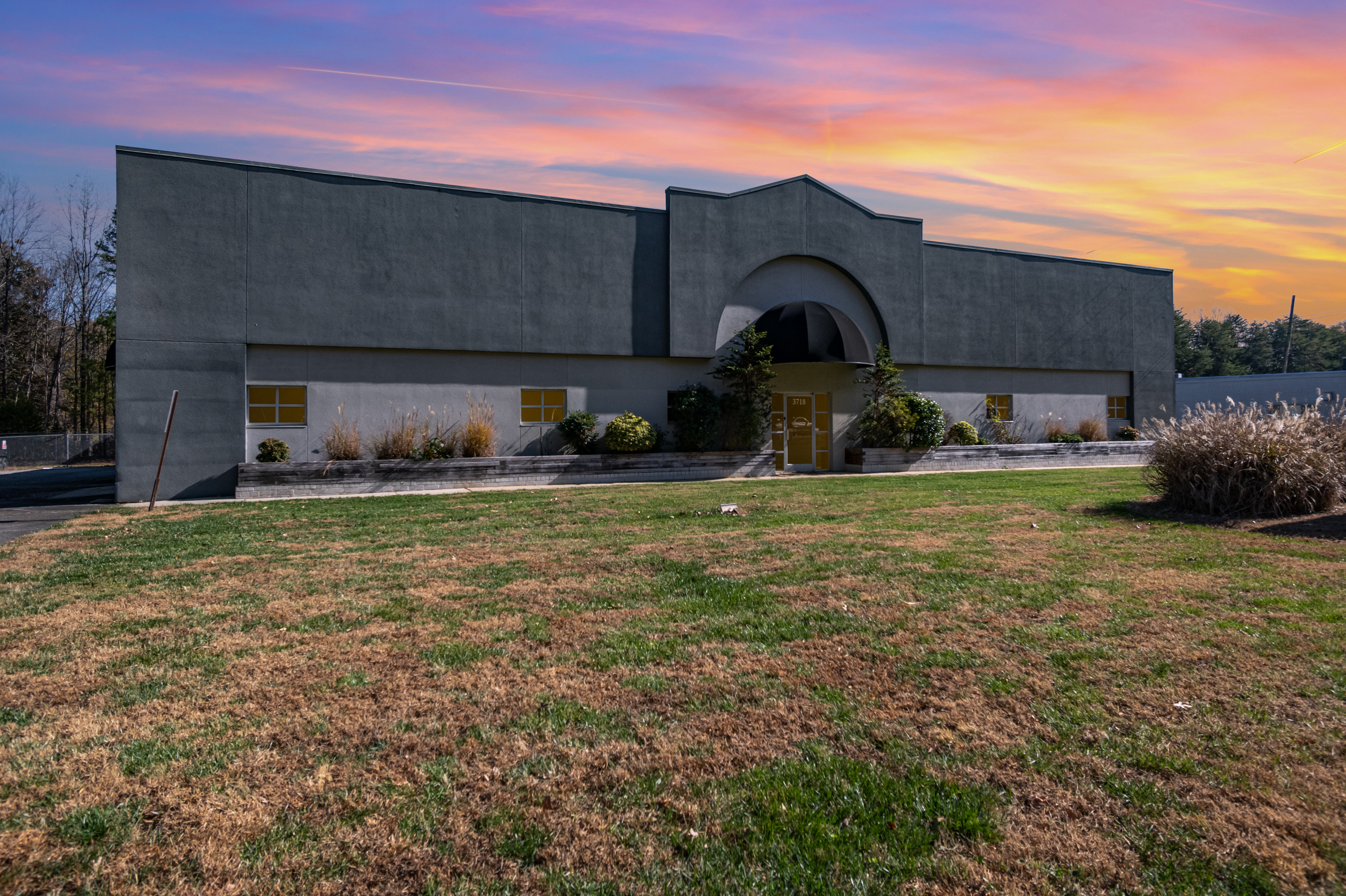 For Lease
Industrial / Office / Retail
An 11,857-square-foot single-tenant flex property with substantial conditioned area, bonus mezzanine, two loading docks, and fenced outdoor storage.
Retail decision tool
Compare customer fit, access, physical requirements, occupancy cost, lease terms, zoning, and the diligence questions that can change a retail deal.
Request a copy and tell Ola what you are evaluating. She can point you to the questions that matter first.
Request the decision toolRequested by form and delivered by follow-up. No placeholder download.

Work with Ola
A commercial property decision usually starts with incomplete information, a deadline, or numbers that do not quite reconcile.
Share the address, use, timing, and what concerns you. Ola will help define the next questions, identify the missing information, and decide whether the property deserves more work.
Questions clients bring first
Start with the use, target customer, preferred trade area, size range, parking and access needs, build-out limits, opening date, and a realistic occupancy budget.
No. Compare base rent, pass-throughs, utilities, improvements, delivery condition, escalation, signage, guarantees, and the revenue impact of each location.
Review the rent roll, lease expirations, tenant credit where available, expense recoveries, deferred maintenance, access, nearby supply, co-tenancy, and release cost.
Yes. The scope can include tenant or buyer representation, owner positioning, property sales, acquisition review, site comparison, negotiation, and transaction coordination.
Confirm permitted use, parking, signage, drive-through rules, outdoor activity, food-service requirements, and any conditional approvals with the relevant municipality.
Send the use, preferred area, size, budget, and timing so Ola can define a broader search beyond the current represented inventory.
Research notes
Market information last reviewed August 14, 2026. Figures are dated snapshots and may change. Property decisions require current verification.
Retail advisory
Send Ola the address, target area, use, or investment question. Start with what is known and what still feels uncertain.
Discuss a retail requirement