Occupiers & operators
Turn the operating plan into a clear multifamily requirement, compare realistic alternatives, model the full cost, and negotiate around the constraints that affect daily use.
Explore tenant representation ↗
Charlotte multifamily investment real estate
A growing market does not rescue weak assumptions. Ola helps investors and owners review rent, occupancy, operating cost, capital needs, financing, submarket supply, and exit risk before an apartment acquisition or disposition moves forward.
Market context
Colliers reported that the Charlotte region added more than 54,000 residents between July 2024 and July 2025. At the same time, multifamily occupancy was below 90% entering 2026 after heavy deliveries in 2024 and 2025.
Effective rents stabilized in a reported range of $1,530 to $1,560, partly compressed by concessions. Construction has slowed from its 2023 peak, but owners and buyers still need to underwrite lease-up, concessions, expense growth, debt cost, and submarket-specific supply rather than rely on a metro growth narrative.
Market and planning snapshot last checked August 14, 2026. Figures are dated and linked in the research notes below.
Four sides of the decision
The work starts by defining whose result matters, then testing the property against that result.
Turn the operating plan into a clear multifamily requirement, compare realistic alternatives, model the full cost, and negotiate around the constraints that affect daily use.
Explore tenant representation ↗Define the likely buyer or tenant, prepare the property, frame the opportunity honestly, compare proposals, and protect the value of the multifamily asset through execution.
Explore owner representation ↗Test income, rollover, operating costs, capital work, financing, downside cases, and the assumptions that must hold for the multifamily acquisition to perform.
Explore acquisition advisory ↗Check land-use fit, access, utilities, delivery timing, construction exposure, market depth, and the entitlement path before treating a concept as a project.
Explore commercial land ↗Property formats
Unit mix, renovation scope, utility recovery, amenity position, deferred maintenance, tax reset, and competing suburban supply shape value.
Land basis, structured parking, elevators, staffing, amenities, concessions, lease-up, and nearby pipeline create a different risk profile.
Affordability, resident retention, physical needs, achievable premiums, operating discipline, and responsible renovation timing must align.
Resident profile, homebuilder competition, maintenance, turnover, amenity expectations, absorption, and scattered versus contiguous operations matter.
Demand drivers, licensing or affiliation, service model, seasonality, staffing, unit design, and operator capability require specialized review.
Ola's evaluation lens
The purchase price is one input. Durable cash flow depends on what the rent roll, physical asset, market, and capital stack can support together.
In-place rent, concessions, delinquency, loss-to-lease, renewals, unit mix, other income, and achievable—not advertised—premiums.
Payroll, utilities, repairs, insurance, taxes, management, turnover, contracts, and expenses that may reset after sale.
Roofs, envelopes, systems, interiors, accessibility, life safety, deferred work, renovation history, and near-term capital plan.
Current vacancy, renter profile, deliveries, pipeline, concessions, employment access, schools, transit, and competing product.
Interest rate, leverage, reserves, covenants, refinance assumptions, break-even occupancy, slower rent growth, and exit cap rate.
Zoning, licenses, fair housing, leases, service contracts, environmental conditions, title, survey, and property management transition.
Charlotte decision map
Demand, rent, concessions, insurance, taxes, deliveries, and buyer depth change across the metro. Submarket work should trace how residents reach employment, education, services, and daily needs.
Explore Charlotte marketsHigh rent and amenity access come with expensive land, structured parking, active pipeline, and sensitivity to concessions.
Employment access and established amenities support demand; compare new supply, school patterns, commute routes, and product differentiation.
Education, healthcare, light rail, and I-85 shape demand; separate student influence from conventional renter performance.
Employment and redevelopment create opportunity, while micro-location, infrastructure, displacement risk, and operating history deserve close review.
Population growth and lifestyle demand can support rents; test commute friction, land supply, municipal approvals, and delivery pipeline.
Lower basis or faster growth can appeal, but property taxes, utilities, schools, jurisdiction, commuter routes, and competing new construction vary.
Planning references are linked in the research notes below. Local plans help frame change, but parcel facts and approvals require current verification.
Advisory process
The scope changes for a lease, sale, acquisition, or development site. The sequence stays disciplined.
Set the business objective, property criteria, geography, capital, timing, and the issue that cannot be compromised.
Compare practical alternatives and remove properties that fail the operating, investment, or development brief.
Build a complete cost picture, challenge the assumptions, and show what changes under a slower, more expensive, or less certain outcome.
Frame the offer, manage information, track open issues, and bring legal, financial, design, environmental, and technical specialists in where needed.
Keep the original objective visible through documents, contingencies, approvals, financing, closing, delivery, and occupancy.
Current represented opportunities
Availability, terms, measurements, permitted use, financial details, and property facts require direct confirmation.
View all listings ↗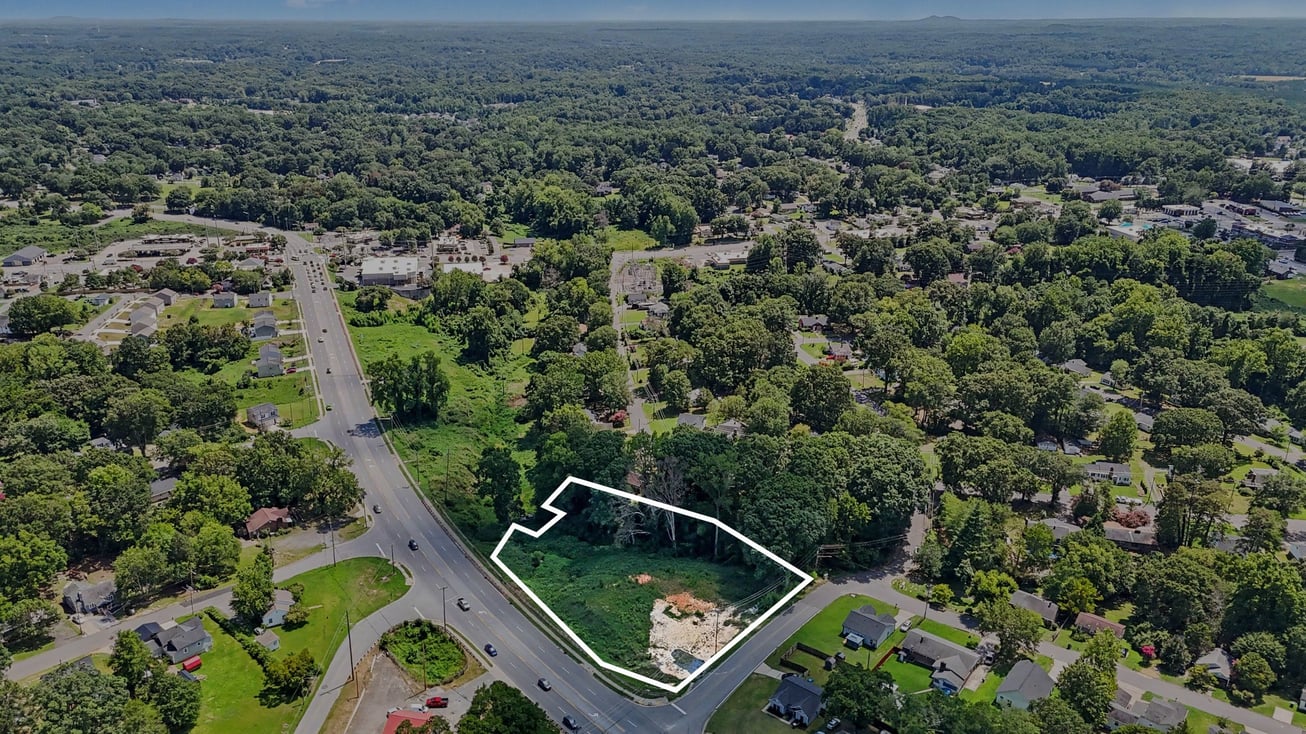 For Sale
Mixed Use / Land / Multifamily
A 1.24-acre C-3 corner site with public utilities, a new topographic survey, a building pad, and concept work for several commercial or residential paths.
 For Sale
Multifamily / Land
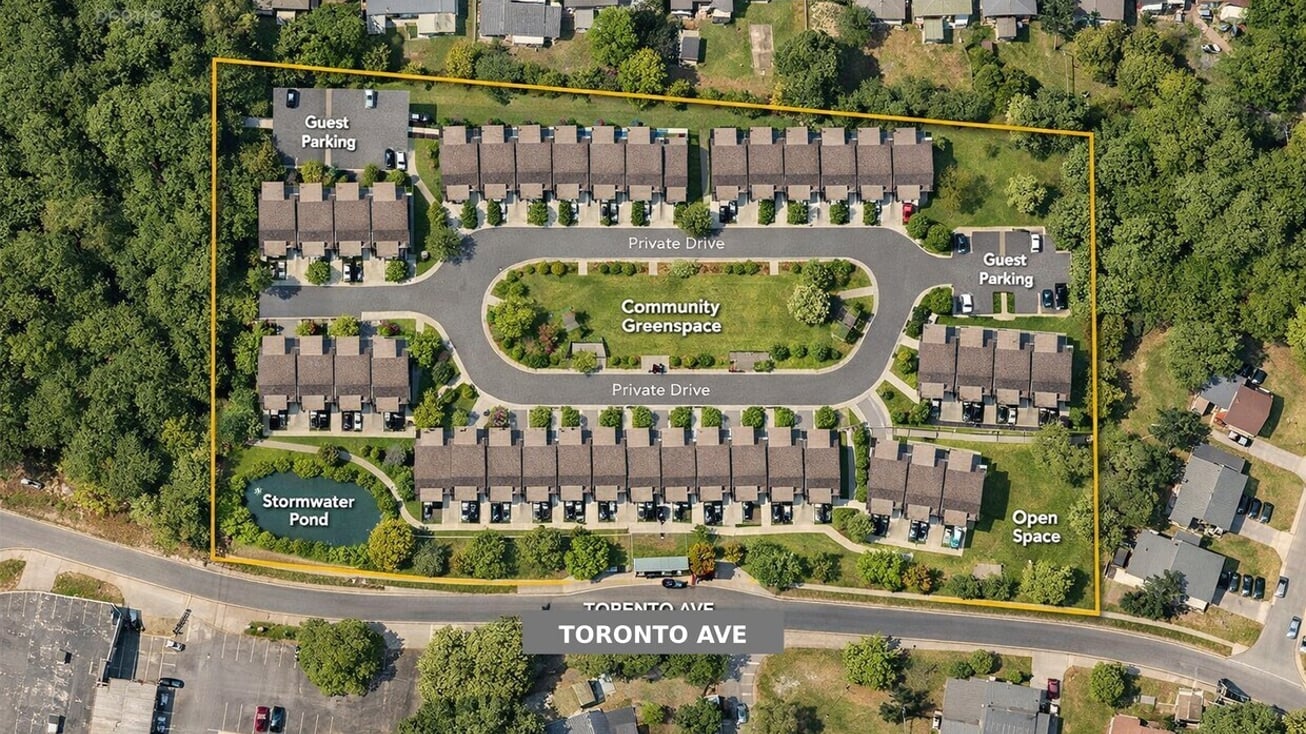
A 5.9-acre infill opportunity with RU-5 zoning, nearby utilities, and a reported path for more than 40 homes or townhomes.
Multifamily decision tool
Review rent roll, concessions, expenses, tax and insurance resets, capital needs, supply, debt, break-even occupancy, and exit assumptions before issuing an offer.
Request a copy and tell Ola what you are evaluating. She can point you to the questions that matter first.
Request the decision toolRequested by form and delivered by follow-up. No placeholder download.

Work with Ola
A commercial property decision usually starts with incomplete information, a deadline, or numbers that do not quite reconcile.
Share the address, use, timing, and what concerns you. Ola will help define the next questions, identify the missing information, and decide whether the property deserves more work.
Questions clients bring first
Start with the rent roll, trailing operations, leases, delinquency, concessions, physical condition, capital plan, taxes, insurance, supply, debt, title, survey, and environmental work.
Use completed comparable units, actual resident demand, renovation cost, downtime, turnover, concessions, and a realistic pace. Do not apply a premium to every unit immediately.
Physical occupancy counts occupied units. Economic occupancy reflects collected revenue after concessions, delinquency, bad debt, and loss-to-lease, so it can reveal weaker performance.
Recent supply, concessions, insurance, tax reassessment, interest rates, submarket deliveries, employment access, renter affordability, and refinance conditions all matter.
Yes. Preparation can include positioning, financial cleanup, diligence organization, buyer targeting, pricing strategy, offer comparison, and transaction coordination.
Share the property, unit count, location, price range, and objective. The right scope depends on the asset and whether it fits Ola’s commercial advisory practice.
Research notes
Market information last reviewed August 14, 2026. Figures are dated snapshots and may change. Property decisions require current verification.
Multifamily advisory
Send Ola the address, target area, use, or investment question. Start with what is known and what still feels uncertain.
Discuss a multifamily investment