Occupiers & operators
Turn the operating plan into a clear industrial requirement, compare realistic alternatives, model the full cost, and negotiate around the constraints that affect daily use.
Explore tenant representation ↗
Charlotte industrial commercial real estate
The building has to support the work: trucks, labor, power, inventory, production, storage, safety, and growth. Ola helps occupiers, owners, and investors compare industrial properties against the operation and the economics behind it.
Market context
CBRE reported 1.3 million square feet of net absorption and 7.1% vacancy in Charlotte in the second quarter of 2026. Leasing exceeded 4 million square feet for a second consecutive quarter.
Those figures describe a broad market. A user searching for shallow-bay service space is not competing for the same product as a regional distributor. Clear height, loading, power, yard rights, trailer storage, fire protection, labor access, and highway orientation determine which vacancy is actually usable.
Market and planning snapshot last checked August 14, 2026. Figures are dated and linked in the research notes below.
Four sides of the decision
The work starts by defining whose result matters, then testing the property against that result.
Turn the operating plan into a clear industrial requirement, compare realistic alternatives, model the full cost, and negotiate around the constraints that affect daily use.
Explore tenant representation ↗Define the likely buyer or tenant, prepare the property, frame the opportunity honestly, compare proposals, and protect the value of the industrial asset through execution.
Explore owner representation ↗Test income, rollover, operating costs, capital work, financing, downside cases, and the assumptions that must hold for the industrial acquisition to perform.
Explore acquisition advisory ↗Check land-use fit, access, utilities, delivery timing, construction exposure, market depth, and the entitlement path before treating a concept as a project.
Explore commercial land ↗Property formats
Deep truck courts, dock packages, trailer parking, clear height, interstate orientation, and labor reach drive the comparison.
Suite depth, drive-in access, service parking, storefront visibility, demising, and rent per usable operating area matter.
Office ratio, power, loading, ceiling height, customer access, and the cost of converting between office and production uses need review.
Utility capacity, floor loads, ventilation, wastewater, fire protection, environmental history, and specialized improvements can decide feasibility.
Screening, surface condition, drainage, ingress, lighting, security, vehicle circulation, and permitted outdoor activity shape value.
Ola's evaluation lens
A low rent does not help if the trucks cannot turn, the power is wrong, or the building cannot carry the operating plan.
Clear height, column spacing, floor load, bay depth, loading, office ratio, sprinkler system, and expansion options.
Truck court, trailer storage, employee parking, curb cuts, queuing, outdoor storage, fencing, and separate traffic flows.
Electrical service, gas, water, sewer, compressed air, ventilation, cooling, backup power, and provider timelines.
Highway direction, delivery radius, airport or rail needs, commute patterns, labor pool, suppliers, and customer access.
Rent or price, taxes, insurance, maintenance, energy, improvements, equipment move, downtime, and future capital work.
Zoning, permitted processes, hazardous materials, prior uses, stormwater, fire code, emissions, and agency approvals.
Charlotte decision map
Charlotte industrial demand follows several interstate, airport, and regional service corridors. The best node depends on where goods, employees, and customers need to move—not simply where vacancy appears.
Explore Charlotte marketsUseful for air cargo, logistics, manufacturing, and regional distribution; review truck routes, airport overlays, labor access, and infill constraints.
A mature industrial area serving interstate movement and South Carolina; compare congestion, older infill stock, yard depth, and redevelopment pressure.
Supports Lake Norman and northbound distribution; test interchange access, workforce reach, building age, and competing growth uses.
I-85 connectivity, newer parks, manufacturing, and distribution options; confirm jurisdiction, utility capacity, incentives, and commute patterns.
Strong service and light-industrial demand; review mixed-use pressure, loading constraints, road projects, and small-bay availability.
Can offer larger sites and different cost structures; balance that against labor, utility timing, transportation distance, and municipal approvals.
Planning references are linked in the research notes below. Local plans help frame change, but parcel facts and approvals require current verification.
Advisory process
The scope changes for a lease, sale, acquisition, or development site. The sequence stays disciplined.
Set the business objective, property criteria, geography, capital, timing, and the issue that cannot be compromised.
Compare practical alternatives and remove properties that fail the operating, investment, or development brief.
Build a complete cost picture, challenge the assumptions, and show what changes under a slower, more expensive, or less certain outcome.
Frame the offer, manage information, track open issues, and bring legal, financial, design, environmental, and technical specialists in where needed.
Keep the original objective visible through documents, contingencies, approvals, financing, closing, delivery, and occupancy.
Current represented opportunities
Availability, terms, measurements, permitted use, financial details, and property facts require direct confirmation.
View all listings ↗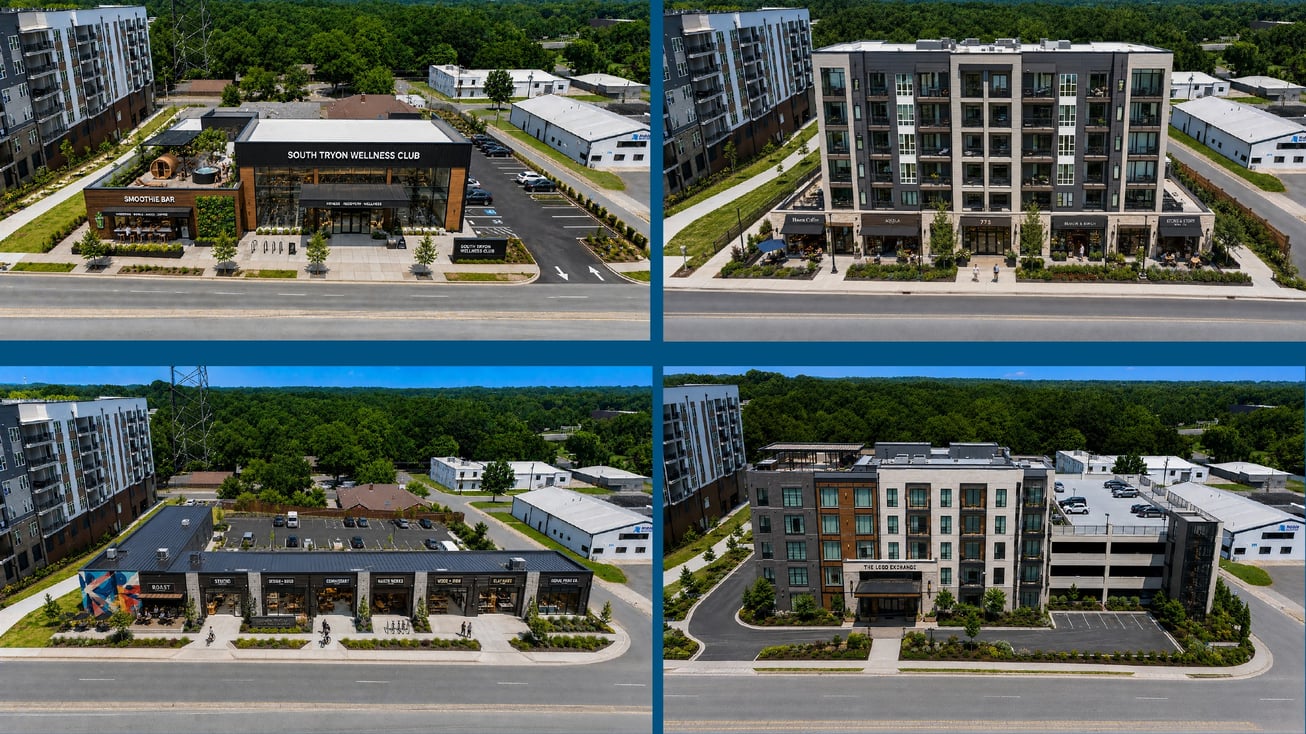 For Sale
Commercial / Industrial Land
A 0.63-acre South Tryon corner with dual frontage, light-industrial zoning, and a potential rezoning path for denser urban uses.
 For Sale
Industrial / Mixed Use
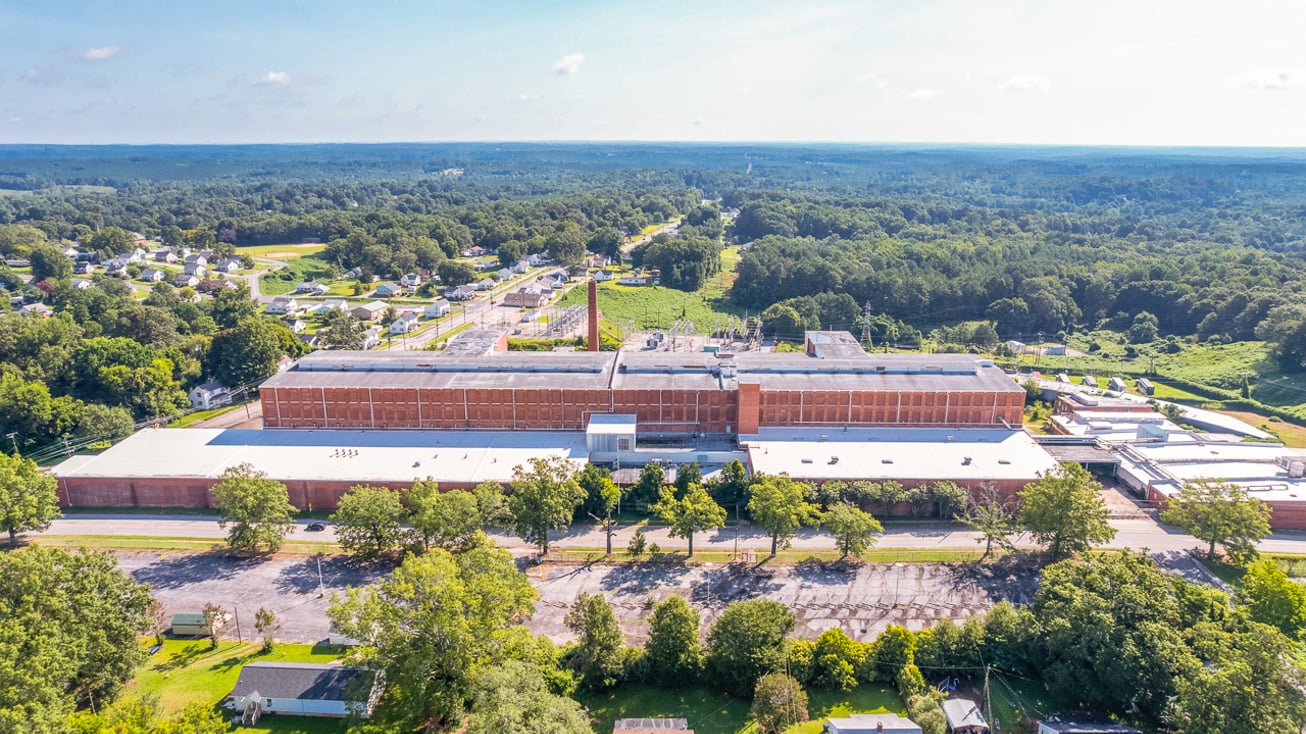
A historic 700,000-square-foot mill campus on 17 acres, positioned between Charlotte, Greenville, and Columbia with seller financing and multiple paths to value creation.
 For Lease
Industrial / Office / Retail
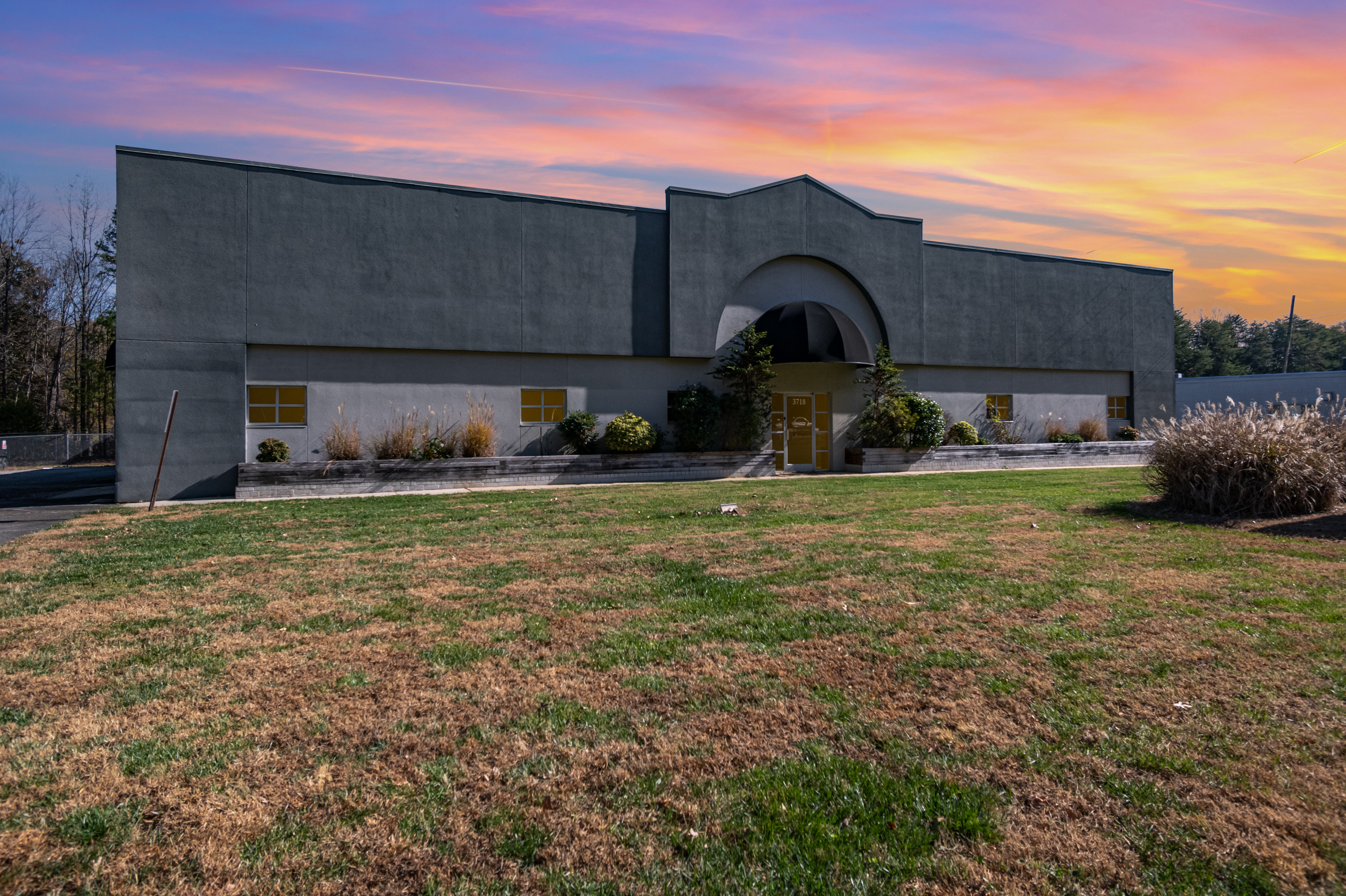
An 11,857-square-foot single-tenant flex property with substantial conditioned area, bonus mezzanine, two loading docks, and fenced outdoor storage.
 For Lease
Industrial / Warehouse / Flex
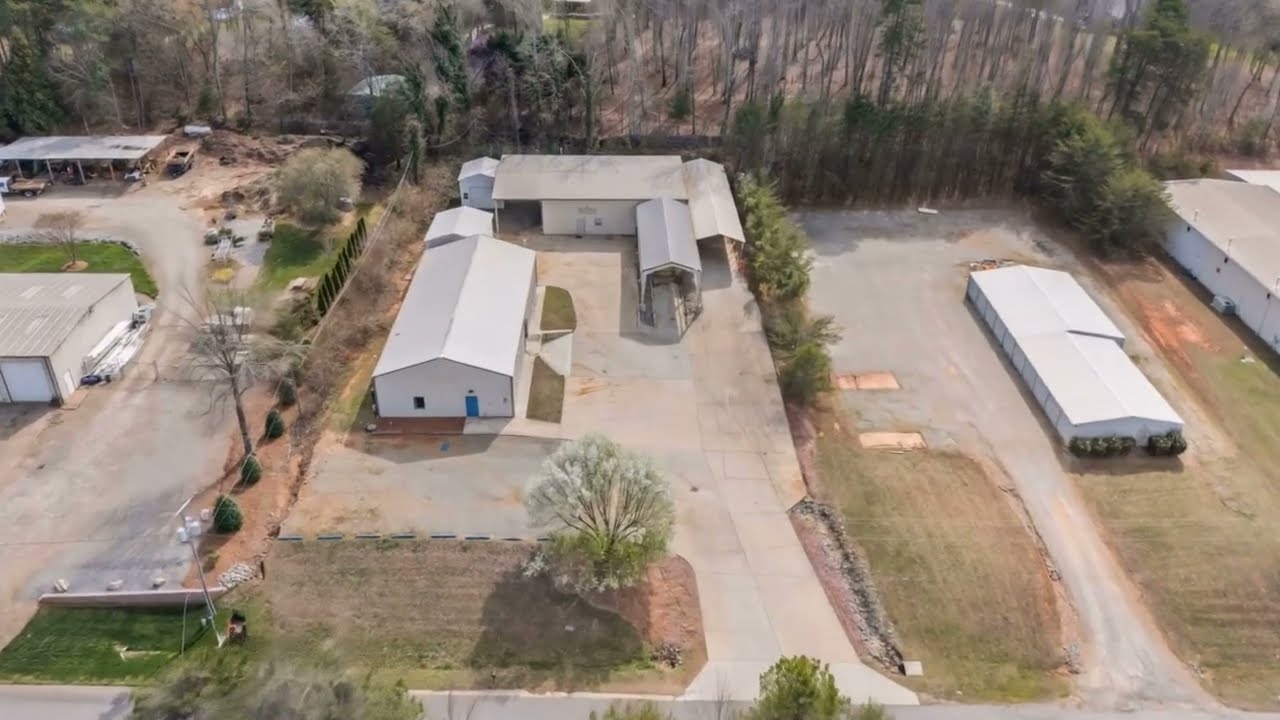
Two warehouse buildings totaling 6,280 square feet with offices, loading, three-phase power, equipment, and separate-meter flexibility.
Industrial decision tool
Organize loading, clear height, power, yard, office ratio, parking, highway, labor, timing, and budget requirements before touring facilities.
Request a copy and tell Ola what you are evaluating. She can point you to the questions that matter first.
Request the decision toolRequested by form and delivered by follow-up. No placeholder download.

Work with Ola
A commercial property decision usually starts with incomplete information, a deadline, or numbers that do not quite reconcile.
Share the address, use, timing, and what concerns you. Ola will help define the next questions, identify the missing information, and decide whether the property deserves more work.
Questions clients bring first
Document the process, square footage, clear height, loading, power, yard, trailer storage, office ratio, labor geography, operating hours, budget, and move date.
Compare the complete facility cost: rent, expenses, utilities, improvements, equipment relocation, downtime, maintenance obligations, and any operational compromise.
Review environmental history, roof and structure, loading, fire protection, power, drainage, leases, capital needs, zoning, title, survey, and replacement cost.
No. Storage, distribution, manufacturing, outdoor activity, hazardous materials, truck traffic, and hours may be treated differently. Verify the exact process and jurisdiction.
Yes. The work can combine operational site selection, purchase analysis, financing coordination, diligence, negotiation, and an exit or surplus-space strategy.
Send the facility requirements. Ola can screen a broader set of on-market and potential off-market alternatives against the non-negotiables.
Research notes
Market information last reviewed August 14, 2026. Figures are dated snapshots and may change. Property decisions require current verification.
Industrial advisory
Send Ola the address, target area, use, or investment question. Start with what is known and what still feels uncertain.
Discuss an industrial requirement